













































































Why Slashing Migration Could Raise Australia's House Prices
Economic modelling reveals slashing migration could drive house prices higher in Australia. Discover the surprising reasons why and what's at stake.
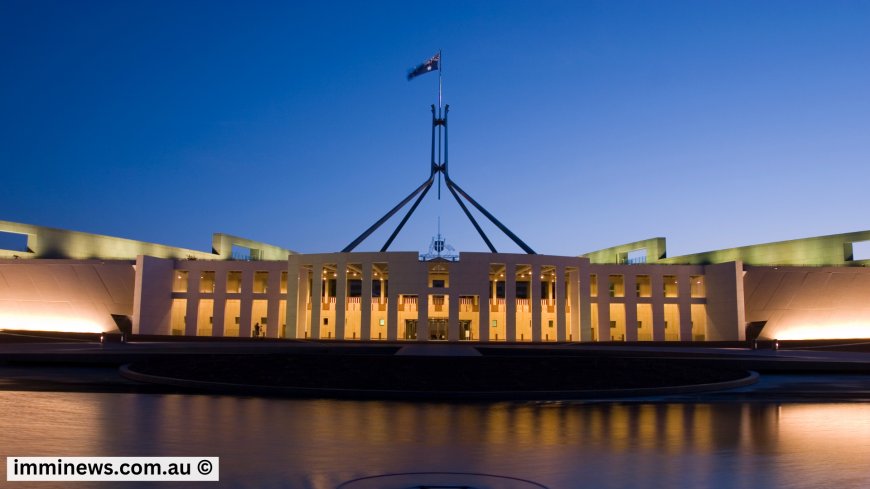
Think slashing migration will ease Australia’s housing crisis? Think again. Recent economic modelling reveals that cutting immigration could actually increase house prices and worsen economic outcomes over the next decade. With migration already a hot-button issue, it's crucial to understand the broader impacts of these policy decisions — beyond just housing.
Significance of Cutting Migration on Australia’s Economy and Housing Market
Cutting migration may seem like a quick fix, but it poses long-term risks to Australia’s economic growth and housing supply. Reduced population slows construction, drives prices up, and strains the national budget.
Migration and the Workforce
With an ageing population and low birth rates, migration is Australia’s most powerful tool to sustain a growing, youthful, and skilled workforce. Cutting it drastically reduces the number of available workers — which not only drives up wages but also limits economic output and productivity.
Higher House Prices, Not Lower
Contrary to popular belief, reducing migration doesn't lower housing demand significantly enough to impact prices. Why? Because fewer workers also means fewer homes built. Labour shortages in the construction sector restrict supply, pushing prices higher — by as much as 2.3% more than if migration continued at current levels.
Budget Blowouts
Less migration means fewer taxpayers. This erodes Australia's ability to fund essential services, particularly as the population ages. Projections show a budget deficit increase of $87 billion by the mid-2030s, with national debt surpassing $2 trillion — all while trying to meet rising demand in healthcare, infrastructure, and aged care.
A Shrinking Population Threat
If migration is halted, Australia’s population growth would drop to just 0.4% annually. Long-term, this leads to a shrinking population — risking economic stagnation similar to what Japan and Italy face. With only 1.6 births per woman, Australia needs migration to maintain demographic balance.
Misplaced Blame on Migrants
Surveys reveal that nearly 67% of Australians believe cutting migration would fix the housing crisis. Yet, the real issue lies in housing policy, regional incentives, and long-term planning. Migrants contribute significantly to the workforce, innovation, and economic diversity — a fact often lost in political rhetoric.
For a deeper dive into how immigration plays into broader challenges, read our breakdown on Australia’s immigration crisis and the need for reform.
Migration is not a silver bullet — but it's far from the villain it’s often made out to be. Economic modelling clearly shows that cutting migration would lead to higher house prices, slower growth, and ballooning debt. Instead, a well-managed migration strategy offers Australia a path toward sustainability, innovation, and prosperity.
Want to understand your migration options in this evolving landscape? Book a consultation with A2Zimmi and get expert advice tailored to your goals.
Explore more stories and updates on Australia’s immigration system at A2Zimmi.
Tags:
What's Your Reaction?
Like
0
Dislike
0
Love
0
Funny
0
Angry
0
Sad
0
Wow
0