


















































































Australia Shocks Students With New ART Visa Appeal Rules (2026 Update)
Learn ART student visa appeals new procedures in Australia immigration 2026, paper-based reviews, deadlines, eligibility rules, and appeal process changes. 2026

The ART student visa appeals new procedures introduced in 2026 represent one of the most significant changes in Australia immigration review processes in recent years. These reforms reshape how student visa refusal decisions are handled, shifting most cases from oral hearings to paper-based reviews.
For international students and migration applicants, understanding these updates is essential, especially as Australia immigration systems continue to tighten compliance and streamline decision-making. This article explains the significance of the new ART procedures, response timelines, eligibility rules, and how these changes may impact future Australia visa appeals and outcomes.
Significance of ART Student Visa Appeals New Procedures


The introduction of paper-based reviews under the Administrative Review Tribunal (ART) framework marks a structural shift in how Australia migration decisions are reconsidered. Below are the key significant aspects of these reforms.
1. Shift from Oral Hearings to Paper-Based Reviews
One of the most important changes is that most student visa refusal reviews will now be conducted “on the papers,” meaning without a physical or oral hearing.
This change is introduced under new regulation 4.18(1), which allows the tribunal to assess applications based solely on written submissions and evidence. The intention is to speed up decision-making and reduce backlog in the Australia visa appeal system.
However, this shift also means applicants must ensure their documentation is complete and well-prepared from the beginning, as there may be no opportunity to verbally explain their case.
For students seeking guidance on strengthening their applications, you can explore professional support here: Book Australia visa consultation with expert migration support
2. Exceptions for Certain Visa Integrity Provisions
Not all cases will be reviewed on the papers. If a refusal decision is based on specific Public Interest Criteria (PICs), such as PIC 4001, 4003B, 4007, 4010, 4013, 4014, 4017, 4018, 4020, or Special Return Criteria, the case may still require a different review process.
This ensures that high-risk or integrity-related cases receive closer scrutiny within Australia immigration law.
These exceptions are critical in maintaining fairness while also protecting the integrity of the Australia visa system, particularly for student visa applicants.
Applicants should also stay informed about evolving immigration policies such as travel and visa restrictions affecting temporary residents: Australia immigration news: new travel restrictions for temporary visa holders 2026


3. Written Submissions Become the Core of Appeals
Under the new ART framework, applicants will be invited to submit written arguments and supporting documents instead of presenting their case in person.
This makes written communication the most important factor in Australia visa appeals. Applicants must clearly demonstrate:
- Enrollment status in an approved course
- Compliance with visa conditions
- Genuine intention to study
- Strong supporting evidence
Under regulation 4.18(3) and (4), the tribunal specifically invites evidence regarding course enrollment under clause 500.111.
This change significantly raises the importance of documentation quality in Australia migration cases, especially for students facing refusal decisions.
4. Strict Response Deadlines and Legal Consequences
Another major aspect of the new system is the introduction of strict response timelines.
Applicants must respond within:
- 28 days for invitations under section 367F
- 14 days for invitations under section 367G
Failure to respond within the required timeframe can result in dismissal of the appeal under section 367M of the Migration Act.
Even though late submissions may still be considered if a decision has not yet been made, applicants cannot rely on extensions. This strict approach reflects a broader trend in Australia immigration toward faster, more structured decision-making.
For applicants navigating complex deadlines, professional consultation is highly recommended to avoid missing critical steps.
5. Procedural Streamlining and Legislative Updates
The 2026 amendments also include technical changes, such as renumbering regulations (for example, regulation 4.27 becoming 4.17) and updating definitions related to confirmation of enrolment under the ESOS Act.
These adjustments ensure consistency across Australia migration law and align student visa processes with modern education compliance standards.
Additionally, transitional provisions clarify how cases are handled depending on when they were lodged and whether they were already under review before 1 June 2026.
More information on skilled migration alignment and regional programs can be reviewed here:
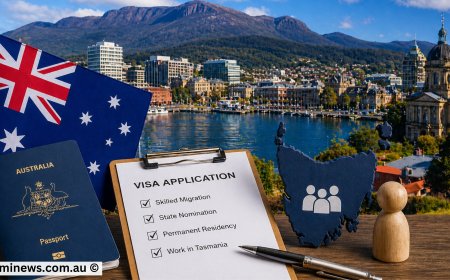
Tasmania Skilled Migration Program Overview
6. Impact on Student Visa Applicants and Migration Strategy
The introduction of paper-based reviews fundamentally changes how applicants must approach Australia visa refusals.
Previously, oral hearings allowed applicants to clarify misunderstandings or provide verbal explanations. Now, success depends heavily on:
- Well-structured written submissions
- Complete documentary evidence
- Early legal or migration advice
- Strong understanding of eligibility criteria
This shift increases pressure on applicants but also improves efficiency in the Australia immigration system.
It also emphasizes proactive preparation before applying for a student visa, as appeals may not provide the same level of interactive review as before.
7. Transitional Arrangements and Commencement Rules
The new ART rules officially commence on 1 June 2026 and apply to:
- Applications lodged on or after this date
- Applications lodged earlier but not yet constituted for review
Additionally, any matter that becomes ineligible for paper review will revert to standard ART procedures, ensuring procedural flexibility.
These transitional arrangements help maintain fairness while introducing a modernized review system for Australia visa applicants.
The ART student visa appeals new procedures represent a major transformation in Australia immigration law. By shifting most reviews to paper-based assessments, the system becomes faster but also more dependent on strong documentation and timely responses.
For students and migrants, this means preparation is more important than ever. Understanding deadlines, eligibility criteria, and submission requirements can significantly impact the outcome of an appeal.
If you are planning to study or already facing a visa refusal, staying updated with Australia migration changes is essential for making informed decisions.
To explore more updates and related immigration guidance, visit: A2Zimmi official immigration updates and resources
Or schedule a personalized consultation for expert assistance with your case: Book Australia visa consultation with A2Zimmi experts
Visit https://a2zimmi.com/ or schedule a consultation here to get expert advice today!
What's Your Reaction?
 Like
0
Like
0
 Dislike
0
Dislike
0
 Love
0
Love
0
 Funny
0
Funny
0
 Angry
0
Angry
0
 Sad
0
Sad
0
 Wow
0
Wow
0