
















































































Australia Migration Debate: Why Australia Need Migrants
Australia's immigration fuels jobs, healthcare, and growth. Explore the significance of Australia's migration and visa policies amid political debate.
Australia Immigration is once again at the centre of national debate, as political leaders argue over whether migration numbers should be cut or tightened. But beneath the rhetoric about “standards” and “numbers” lies a stark economic truth: without migrants, Australia stops. From hospitals to construction sites, from childcare centres to regional farms, migrants power essential services and sustain economic growth. As the conversation around Australia's migration intensifies, it’s crucial to examine not just the politics, but the profound significance of migration to Australia’s present and future.
1. Migrants Sustain Australia’s Workforce
Australia’s labour market tells a compelling story. One in three workers in Australia was born overseas, and one in six arrived after 2000. These are not marginal contributions — they are foundational. Industries like hospitality (40% migrant workforce), manufacturing (37%), finance (nearly 40%), and construction (almost 25%) depend heavily on migrant workers.
According to a comprehensive report by the Grattan Institute, migrants are not only overrepresented in the workforce but also tend to be more skilled than the Australian-born population. Their participation helps offset demographic ageing, fill skill shortages, and boost productivity. Cutting migration significantly would create immediate labour shortages in critical sectors — at a time when unemployment remains between 4% and 4.5%, and workforce participation is at record highs. There is no vast reserve of unemployed Australians ready to step into millions of roles. The numbers simply do not support the argument for drastic cuts. For deeper insights into evolving migration policy changes, read our detailed breakdown here: Australia immigration on the brink – big visa changes explained.


2. Healthcare and Care Services Depend on Migration
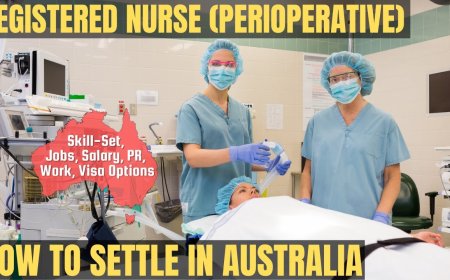
If migration were dramatically reduced, the healthcare and care economy would feel the impact almost immediately. More than 30% of doctors and nearly 20% of nurses in Australia are migrants. Over 40% of aged care workers and at least 35% of childcare workers were born overseas.
These figures are not abstract statistics — they reflect the people who care for Australia’s elderly parents, support children so parents can work, and keep communities functioning. With Australia’s ageing population, the demand for aged care and health services is accelerating. Removing a substantial portion of the workforce would strain already stretched systems.
In regional areas, the dependency is even more pronounced. Many rural hospitals and aged care facilities rely on internationally trained professionals because attracting Australian-born workers to remote communities is difficult. A reduction in migration would disproportionately affect these communities, worsening service shortages and quality of life.
In practical terms, without migration:
-
Waiting times for medical care would increase.
-
Aged care services would deteriorate.
-
Childcare availability would shrink, affecting workforce participation.
Australia Migration, therefore, is not merely about economic growth — it is about maintaining basic social infrastructure.
3. Migration Fuels Economic Growth and Tax Revenue
A modern economy requires scale, dynamism, and human capital. Migrants contribute significantly to Australia’s GDP growth, entrepreneurship, and tax base. Skilled migrants often arrive during their prime working years, meaning Australia benefits from their productivity without bearing the cost of their childhood education and early healthcare.
Economic modelling consistently shows that migration:


-
Expands the tax base.
-
Supports infrastructure funding.
-
Enhances innovation.
-
Strengthens public finances.
Without adequate migration, Australia would face slower growth, weaker productivity, and higher inflation due to labour shortages. Businesses unable to fill roles would reduce output, and wages would rise in certain sectors due to scarcity — feeding into inflationary pressures.
While political debates sometimes frame migration as a burden, the evidence suggests the opposite: it is an economic stabiliser. In fact, cutting migration abruptly could undermine fiscal sustainability and public services that rely on steady revenue streams.
4. Political Rhetoric vs Economic Reality
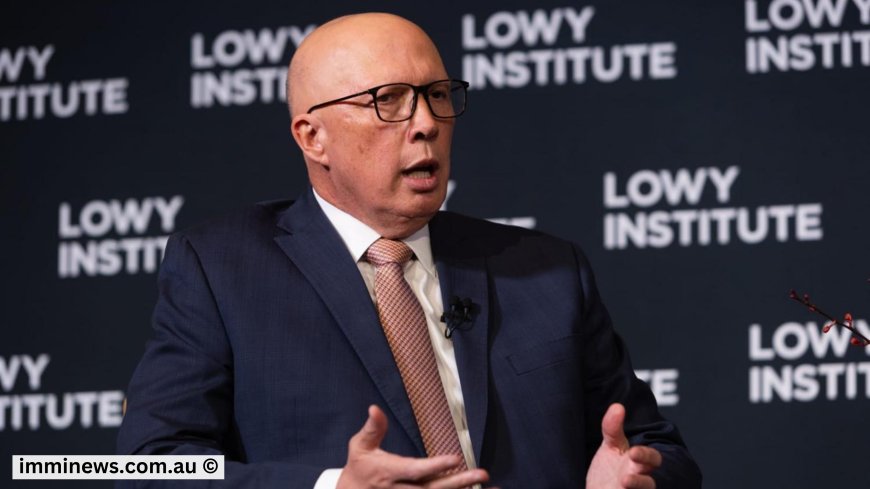
The current debate echoes tensions within conservative politics. Under leaders like John Howard, the traditional approach was high migration combined with strict border control messaging. More recently, figures such as Peter Dutton and Angus Taylor have signalled that migration numbers may be “too high.”
But reducing migration is easier to promise than to implement responsibly. The challenge lies in reconciling voter concerns with economic necessity. As highlighted in recent reporting by ABC News, internal debates within conservative ranks reflect deep divisions over whether to maintain economic pragmatism or pursue dramatic reductions in migration levels.
Public opinion is complex. Surveys suggest a majority of certain voter groups want lower migration levels. However, the practical consequences of major cuts — labour shortages, service decline, slower growth — are rarely discussed in equal depth.
Political messaging often emphasises “who” is coming rather than “what happens” if they stop coming. That shift in focus can obscure the structural reliance Australia has built on migration over decades.
5. Regional Australia Would Be Hit Hardest
Opposition to migration often rises with age and distance from capital cities. Yet regional Australia is among the biggest beneficiaries of migrant labour. From agriculture to healthcare, migrants frequently fill roles that remain vacant despite recruitment efforts targeting Australian-born workers.
Regional towns struggle to attract professionals due to:
-
Limited career opportunities for spouses.
-
Educational constraints.
-
Lifestyle preferences of urban workers.
Migrants, particularly those on skilled and regional visa pathways, have helped stabilise and revitalise these communities. Removing migration would likely accelerate population decline in regional areas, weaken local economies, and reduce access to services. Ironically, communities most sceptical of migration may suffer the greatest consequences from its reduction.
The Bigger Picture: Demographics and the Future
Australia faces a demographic shift. Like many developed nations, its population is ageing. A shrinking ratio of workers to retirees places strain on pension systems, healthcare funding, and overall economic vitality.
Migration has historically offset this trend by:
-
Increasing the working-age population.
-
Supporting consumer demand.
-
Boosting housing and infrastructure development.
Without sustained migration, Australia’s age dependency ratio would rise sharply, increasing pressure on public finances. The debate, therefore, is not merely about cultural identity or border policy — it is about demographic sustainability.
Australia Visa programs are structured not only to meet short-term labour needs but also to shape long-term economic resilience. Strategic migration planning allows Australia to remain competitive in a global talent market.
Migration and Social Infrastructure
Consider everyday life. Who builds homes in expanding suburbs? Who staffs restaurants, logistics companies, and supply chains? Who supports the digital finance systems underpinning modern commerce?
When people say, “Without trucks, Australia stops,” they recognise infrastructure dependence. The same logic applies to migration. Without migrants, labour-intensive sectors would slow dramatically. Housing construction — already under pressure — would face further delays. Healthcare systems would struggle to cope with demand. Families would find it harder to access childcare. Migration is not a peripheral policy issue. It is embedded in the functioning of the Australian economy and society.
The significance of Australia's migration cannot be overstated. Migrants sustain the workforce, strengthen healthcare and aged care systems, fuel economic growth, and support regional communities. Political debates may focus on numbers or standards, but the underlying reality remains clear: without migration, Australia’s economy and quality of life would face serious disruption.
As policy discussions evolve and potential reforms to Australia's visa programs emerge, staying informed is essential. If you’re considering your migration options or want clarity on how upcoming changes could affect you, expert guidance makes all the difference.
Visit A2Zimmi’s homepage to explore your options, or schedule a professional consultation to receive tailored advice on your Australia Immigration journey.
Australia’s future depends on smart, strategic migration policy. Whether you’re a prospective migrant, employer, or concerned citizen — now is the time to engage with the facts and plan ahead. Visit a2zimmi.com or schedule a consultation today to get expert advice tailored to your needs!
What's Your Reaction?
 Like
0
Like
0
 Dislike
0
Dislike
0
 Love
0
Love
0
 Funny
0
Funny
0
 Angry
0
Angry
0
 Sad
0
Sad
0
 Wow
0
Wow
0