


















































































Australia Immigration on the Brink? Taylor Signals Big Visa Changes
Angus Taylor signals changes to Australia immigration and tax reform. Explore the significance for Australia visa and migration policy today.
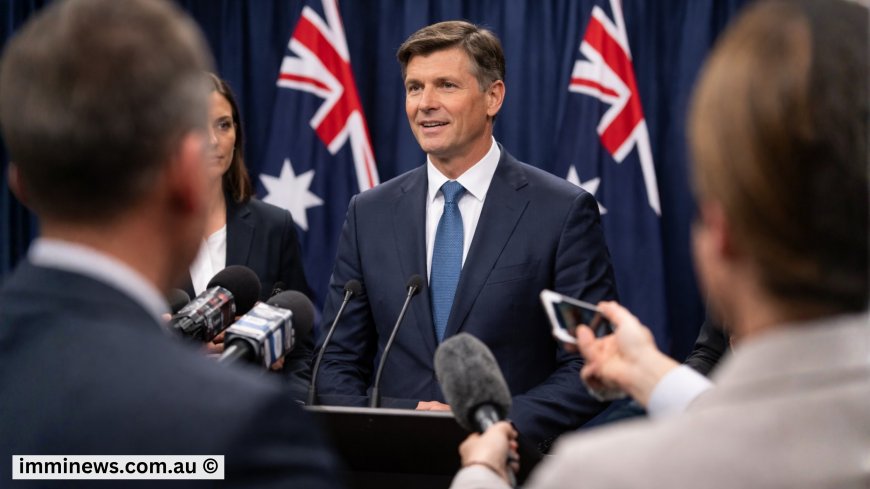
The phrase “Liberal leadership live: Taylor hints at immigration, tax reform in first speech” has quickly become a major talking point in Australian immigration circles. In his first address as leader of the Liberal Party of Australia, Angus Taylor signalled potential reforms to Australia's migration settings and lower income taxes, placing immigration policy firmly back in the national spotlight.
Following a decisive leadership spill that saw Taylor defeat Sussan Ley, the new opposition leader pledged to refocus the party’s direction. His comments about filtering migrants based on shared values and strengthening economic fundamentals have triggered widespread discussion. For migrants, visa applicants, and employers navigating Australia's visa pathways, these developments could carry significant implications in the months ahead.
In this article, we explore the significance of Taylor’s immigration stance, particularly for skilled migrants, students, families, and businesses relying on Australia’s evolving migration framework.


1. Renewed Debate on Australia's Immigration Values
One of the most striking elements of Taylor’s first speech was his emphasis on Australian values—democracy, rule of law, and basic freedoms. His remarks on filtering out migrants who do not align with these principles have sparked discussion about how Australia's migration policies may evolve.
While Australia already conducts character and security checks for visa applicants, stricter messaging around “values alignment” could potentially lead to tighter screening procedures or adjustments in policy criteria. Currently, applicants must meet established character requirements under the Department of Home Affairs guidelines. For official processing priorities and skilled migration details, the government outlines criteria on the Australian Department of Home Affairs skilled visa processing priorities. If the Opposition pushes for reforms, it may influence future legislation or policy changes that reshape how Australian visa applications are assessed.
2. Potential Impact on Skilled Migration Programs
Skilled migration remains the backbone of Australia's immigration policy. Employers depend on skilled workers to address labour shortages in healthcare, engineering, IT, education, and regional industries. Taylor’s strong economic messaging suggests that migration will likely remain economically driven.
Australia's migration programs, such as skilled independent and employer-sponsored visas, are already subject to structured assessment and priority processing categories. Applicants can review best practices and compliance expectations via the official skilled visa checklist guidance, which reinforces accuracy and eligibility.
If policy reforms emerge under a future Liberal platform, changes could include:
-
Stricter skills verification standards
-
Adjustments to occupation lists
-
Stronger English or integration requirements
-
Increased focus on regional migration
For a deeper understanding of current timelines and skilled pathways, you can explore our detailed breakdown on Australia immigration skilled, student, and partner visa timelines. Staying informed is crucial, as even small regulatory shifts can affect processing times, documentation requirements, and eligibility criteria.


3. Economic Reform and Its Influence on Australia's Migration
Taylor’s speech did not focus solely on immigration. He also signalled lower income taxes and admitted that the party “got some big calls wrong” in previous elections. Tax reform and migration are deeply interconnected.
Lower taxes can stimulate investment, encourage entrepreneurship, and boost job creation. In turn, this can increase demand for skilled migrants in sectors experiencing growth. Historically, Australia migration intake levels often respond to labour market needs and economic performance.
If economic reforms accelerate private sector growth, skilled migration quotas could expand to meet workforce demands. Conversely, if tighter fiscal settings accompany stricter migration policies, visa caps or more targeted intake planning could emerge. This balance between economic performance and Australia's immigration policy will likely define the next phase of debate between the Coalition and the current government.
4. Political Stability and Migration Policy Certainty
Leadership spills often create uncertainty in policy direction. However, Taylor’s decisive 34–17 win over Sussan Ley may provide clearer messaging within the opposition ranks.
Deputy Leader Jane Hume also sought to clarify that the Liberal Party does not oppose migrants, reinforcing inclusivity by referencing her own multicultural family background. This reassurance may temper concerns about drastic anti-migration shifts.
For migrants and visa applicants, policy certainty matters. Whether applying for a skilled visa, student visa, or partner visa, applicants often invest significant time, money, and emotional commitment. A predictable Australia visa framework allows migrants to plan careers, family reunification, and long-term settlement pathways with confidence.
If the Liberal Party consolidates its messaging and proposes structured, economically driven migration reform rather than abrupt restrictions, it could reduce market anxiety while still advocating for controlled intake.
5. Regional Australia and Infrastructure Pressures
The leadership change also reignited debate about regional representation. With Sussan Ley stepping down after 25 years representing Farrer, regional communities have voiced concerns about infrastructure, drought resilience, floods, and water management.
Regional migration programs have long played a critical role in Australia's immigration strategy. Incentives for skilled migrants to settle in regional areas help address labour shortages outside metropolitan hubs.
If Taylor’s leadership focuses on protecting “Australia’s way of life,” it may translate into:
-
Expanded regional visa incentives
-
Infrastructure-linked migration planning
-
Enhanced support for rural workforce programs
Such measures could benefit both migrants seeking pathways to permanent residency and regional employers struggling with labour shortages.
Broader Implications for Australia Visa Applicants
While no immediate legislative changes have been announced, the political messaging signals potential shifts in future policy debates. Visa applicants should consider several practical steps:
-
Monitor official updates regularly – Government websites remain the most accurate source of regulatory changes.
-
Ensure applications are complete and accurate – Following official skilled visa submission guidelines reduces delays.
-
Act promptly if eligible – Migration settings can change quickly based on political priorities.
-
Seek professional guidance – Policy interpretation often requires expert analysis.
Immigration reforms rarely happen overnight. However, rhetoric from a major party leader can shape public discourse, influence parliamentary debate, and guide future election platforms.
Immigration, Identity, and National Direction
Taylor’s remarks about values-based migration tap into a broader global conversation. Many Western democracies are reassessing immigration frameworks to balance economic growth, cultural cohesion, and national security.
Australia's migration policy has historically maintained a points-based skilled system while supporting family reunification and humanitarian programs. Any future reform will likely need to balance:
-
Economic productivity
-
Social cohesion
-
Regional development
-
International competitiveness
For migrants considering Australia as a destination, the country remains one of the most structured and transparent immigration systems globally. The emphasis on democracy and rule of law aligns with Australia’s long-standing migration principles rather than representing a radical departure.
The “Liberal leadership live” moment marks more than a party reshuffle—it signals a renewed debate about Australia's immigration and tax reform. Angus Taylor’s first speech highlighted economic revitalisation, stronger values messaging, and acknowledgment of past strategic missteps. While concrete policy proposals are yet to emerge, the significance lies in how immigration is once again central to national political identity and economic planning.
For migrants, employers, and families navigating Australia's visa pathways, staying informed is essential. Policy shifts can affect eligibility, documentation, processing times, and long-term residency strategies.
If you are planning your Australia migration journey or want clarity on skilled, student, or partner visas, visit A2Zimmi for the latest updates and expert insights.
Ready for personalised guidance?
Schedule a consultation today and get tailored immigration advice from professionals.
What's Your Reaction?
 Like
0
Like
0
 Dislike
0
Dislike
0
 Love
0
Love
0
 Funny
0
Funny
0
 Angry
0
Angry
0
 Sad
0
Sad
0
 Wow
0
Wow
0