







































































Student Visa Cap Hits 295,000 — Australia’s Big Migration Shift Explained
Australia lifts student visa cap to 295,000, links migration to housing, and clarifies permanent visa numbers in major policy shift.

In a revealing ABC Afternoon Briefing interview, Home Affairs Minister Tony Burke discussed Australia’s migration settings, the recent increase in student visa caps, and the delicate balance between immigration growth and housing capacity. The conversation not only clarified the government’s stance on international student numbers but also shed light on the often-misunderstood permanent migration figures that dominate public debate.
Lifting the Student Visa Cap to 295,000
The announcement to lift the international student visa allocation from 270,000 to 295,000 per year marks a significant shift in Australia’s migration approach. While some have expressed concern about the pressure migration places on housing, Burke explained that this increase still sits 8% below historic peaks. The aim is to ensure the international education sector continues to thrive without worsening the housing shortage.
Housing Responsibility for Universities
International education is one of Australia’s most valuable exports, bringing billions of dollars into the economy each year and creating jobs across multiple sectors. However, as the Minister pointed out, it’s a unique industry in that “you have to provide a home for every customer.”


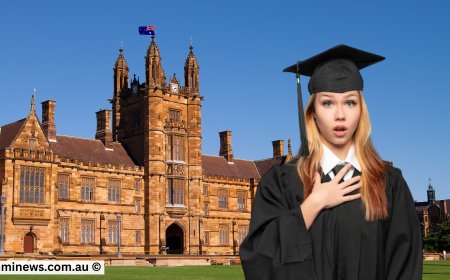
This makes student housing a critical part of the conversation. Larger universities, Burke said, have historically outsourced their responsibility for providing accommodation to others, but the government is making it clear that this is no longer acceptable. With the cap increase, institutions will be expected to “pull their weight” and directly contribute to housing solutions for their students.
This aligns with other measures already introduced to ensure that Australia’s student visa processing system remains efficient and responsive to sector needs while protecting the country’s housing market from undue strain.
Clearing the Confusion Around Permanent Migration Numbers
Beyond student visas, the interview turned to the question of Australia’s permanent migration figures. Speculation has been circulating that the government may set the number close to, or even above, 200,000 for the first time. While Burke did not confirm the exact figure, he emphasized that the public often misunderstands what the permanent migration program actually represents.
Contrary to popular belief, most permanent visas are not granted to people arriving in Australia for the first time. Instead, the overwhelming majority are given to individuals who are already living in the country on temporary visas and are transitioning to permanent status.
State and Territory Consultations Still Underway
The permanent migration target is still under consultation with state and territory governments, a process being coordinated with Treasurer Jim Chalmers. According to Burke, the final figure will not differ dramatically from last year’s and will reflect both economic needs and infrastructure capacity. This collaborative approach ensures that national migration settings align with the realities faced by different regions, from job market demands to housing supply.
Linking Migration Policy to Housing and Education
One of the underlying messages from the interview is that migration policy is becoming more closely integrated with other policy areas, particularly housing and education. By requiring universities to actively participate in providing accommodation, the government is addressing one of the key bottlenecks in student visa growth.
The aim is to avoid a situation where increased migration numbers exacerbate existing shortages, making it harder for both international students and local residents to find housing.
Why This Matters for Prospective Students and Migrants
Australia’s position as a global education hub is unlikely to change anytime soon, but the framework governing student migration is evolving. The government’s approach suggests that future growth will be tied to measurable commitments from educational institutions, ensuring that benefits to the economy do not come at the expense of housing stability.
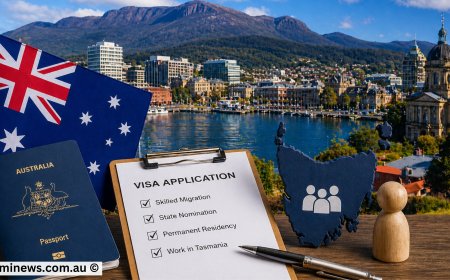
For those considering studying or migrating to Australia, understanding these policy shifts is essential. Whether you are navigating student visa applications, seeking permanent residency, or exploring work opportunities, having accurate, up-to-date information is the key to making informed decisions. Platforms like A2Zimmi provide tailored advice and consultation services that can help you prepare for these changes and position yourself for success in Australia’s migration landscape.
The Importance of Fact-Based Public Debate
Minister Burke’s comments also highlight the importance of public education on migration figures. Simplistic narratives that equate permanent migration targets with an influx of newcomers can distort the debate and lead to unnecessary tension. By breaking down the reality of who receives permanent visas, policymakers can foster a more nuanced and fact-based conversation about Australia’s future.


What to Expect in the Coming Months
In the coming months, the official announcement of permanent migration numbers will likely spark further discussion. But if the government’s current stance is any indication, we can expect stability in the overall settings, coupled with a stronger emphasis on infrastructure and service provision to match population growth.
The changes to student visa caps and the housing obligations for universities could set a precedent for how migration programs are linked to other sectors. If successful, this integrated approach might be applied to other areas of migration policy, ensuring that growth is matched by tangible support systems.
The ABC interview with the Home Affairs Minister provides valuable insight into the government’s migration strategy for the coming years. By balancing the needs of the economy, the education sector, and the housing market, Australia is aiming to sustain its position as a top destination for international students and skilled migrants while avoiding the pitfalls of unmanaged growth.
For students, migrants, and institutions, the message is clear: the opportunities are there, but they come with shared responsibilities. Understanding and adapting to these expectations will be key to thriving in Australia’s evolving migration environment.
To explore your options and get expert guidance tailored to your situation, visit A2Zimmi today and take the first step toward your future in Australia.
What's Your Reaction?
 Like
0
Like
0
 Dislike
0
Dislike
0
 Love
0
Love
0
 Funny
0
Funny
0
 Angry
0
Angry
0
 Sad
0
Sad
0
 Wow
0
Wow
0