









































































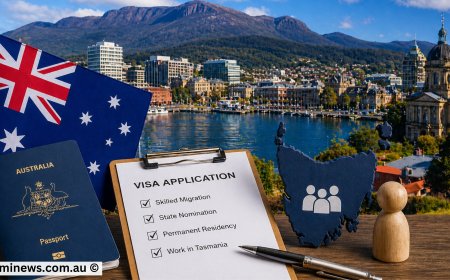




Australia's Student & Skilled Visas Just Got Pricey
Australia raises visa fees and skilled income thresholds from July 2025. Learn how these changes affect students, workers, and employers planning migration.
Australia’s immigration landscape is undergoing one of its most significant recalibrations in recent years. On July 1, 2025, sweeping updates to visa application charges and income thresholds came into effect, reshaping how international students, skilled workers, and sponsors engage with the nation’s migration system. These changes are designed to align more closely with the Albanese Government’s 2025 Migration Strategy, which aims to build a more targeted, skilled, and economically integrated migrant intake.
The policy updates reflect a strategic pivot away from high-volume migration and toward quality-driven, long-term contributors to the Australian economy. Let’s explore what these changes mean for applicants, sponsors, and the country’s future.
Major Changes in Visa Fees
One of the most noticeable changes for applicants is the sharp increase in visa application charges. Particularly:


-
Subclass 500 (Student Visa): Increased from AUD 1,600 to AUD 2,000 – a 25% surge.
-
Student Guardian Visas: Also saw a proportional increase.
-
Other Visas: Subclasses such as visitor visas, working holiday, partner visas, and employer-sponsored visas increased by approximately 3%, aligning with inflation and administrative costs.
These fee hikes follow growing scrutiny of the international education sector, which some argue has become a loophole for low-skilled migration. The intent behind these adjustments is not only cost recovery but also discouraging non-genuine applicants and migration agents from exploiting student pathways.
More details on these changes are provided in a comprehensive breakdown by Newland Chase.
Increased Income Thresholds: TSMIT & SSIT
Beyond fees, another pivotal change affects the Temporary Skilled Migration Income Threshold (TSMIT), which now sits at AUD 76,515, up 4.6% from the previous year. This threshold applies to employer-sponsored visas like the Temporary Skill Shortage (subclass 482) and the Employer Nomination Scheme (subclass 186).
The goal? To ensure overseas workers receive comparable pay to Australian citizens, reducing the risk of wage suppression and exploitation.
In parallel, the Specialist Skills Income Threshold (SSIT) has risen to AUD 141,210. This applies to highly specialized roles, such as those in renewable energy, defense, advanced manufacturing, and digital technology.
According to the Migration Alliance, this move is strategic, aimed at attracting top-tier global talent to sectors critical to Australia’s future economy.
Policy Intent: Shifting to High-Value Migration
These updates aren’t isolated tweaks—they’re part of a broader, long-term migration overhaul:


-
The 2025 Migration Strategy, released in late 2023, seeks to re-balance temporary and permanent migration flows.
-
The strategy emphasizes economic contribution, system integrity, and regional responsiveness.
-
Upcoming reforms include a revised points-based system that will reward traits such as local work experience, English proficiency, and partner skills.
This multi-pronged approach aims to ensure migrants are not just temporary visitors but integrated, long-term contributors to the Australian workforce.
You can read about how these changes fit into the bigger picture in this related post: Big changes coming to Australian immigration in July 2025—Are you prepared?
Stakeholder Reactions: Mixed but Instructive
Not everyone is applauding the reforms. Universities and international education providers warn that steep student visa fees could harm Australia’s competitiveness against countries like Canada and the UK.
Meanwhile, migration agents voice concerns that fee hikes will deter applicants from developing countries, potentially limiting cultural diversity.
On the other hand, labor unions and domestic employment advocates support the new thresholds, asserting they help safeguard Australian jobs and ensure that migration meets genuine skills shortages.
Real-World Impact on Applicants and Sponsors
For applicants, these changes mean increased financial planning:
-
A family of three applying for student visas could now face a bill over AUD 5,000—excluding tuition, health checks, or living costs.
-
Employers sponsoring overseas talent must evaluate whether they can meet new salary benchmarks, which now include compliance risks and documentation scrutiny.
Processing times remain a lingering issue. Despite efforts to streamline the system, many visa categories—particularly partner visas—still experience 12 to 15 months of waiting.
To better navigate these updates and understand your eligibility, consult a migration professional. Schedule a personalized session here.
Final Thoughts
The July 2025 immigration changes are more than policy adjustments—they represent a recalibration of Australia’s migration values. From student visas to skilled worker thresholds, the clear message is: Australia seeks fewer, but more impactful, migrants.
While these shifts may initially reduce application volumes, the long-term strategy aims to foster a resilient, skilled, and value-driven migrant workforce. For prospective migrants, this means it’s more important than ever to align your skills, finances, and goals with Australia's evolving criteria.
To stay ahead of these changes and receive expert advice tailored to your situation, visit A2Zimmi or book a consultation today.
What's Your Reaction?
 Like
0
Like
0
 Dislike
0
Dislike
0
 Love
0
Love
0
 Funny
0
Funny
0
 Angry
0
Angry
0
 Sad
0
Sad
0
 Wow
0
Wow
0