




















































































Australia’s Skilled Visa Workers: 17,500 Visa Workers Are Powering Australia's Tradie
Over 17,500 visa holders fill key tradie roles in Australia. Learn how migrant workers keep projects running and why regions like WA rely heavily on them.
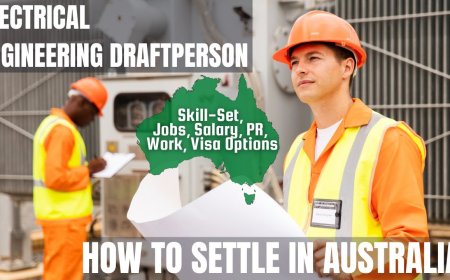
Imagine a construction site in Western Australia grinding to a halt—not due to material shortages, but because of a shortage of workers. Across the country, over 17,500 visa holders are filling vital roles in trades like plumbing, motor mechanics, and steel fabrication. As Australia immigration continues to shape the nation’s labour landscape, the role of these visa workers has become more significant than ever.
Significance of Visa Workers in Australia’s Tradie Workforce
Temporary Visa Holders Sustain Core Trade Sectors
Recent data reveals that temporary skilled visa holders make up nearly 2% of Australia’s national tradie workforce. This includes roles in mechanical trades, steelwork, and glazing, with visa holders stepping in to meet demand and sustain momentum in infrastructure and construction projects.


Regional Reliance Varies Sharply
According to new analysis from NextMinute, some regions rely far more heavily on migrant workers than others. In Western Australia and the Northern Territory, visa workers comprise nearly 4% of the workforce—double the national average—highlighting their critical role in project continuity.
Motor Mechanics and Steel Trades Most Dependent
Certain trades are more reliant on migrant labour than others. Motor mechanics lead the pack, with 5.6% of workers on temporary visas. This is followed by structural steel and welding trades at 5.26%, and glaziers at 4.61%. These technical roles are crucial to project delivery, and any disruption in visa processing can have serious consequences.
Delays in Processing Have Real Economic Costs
As Alex Jenks, CEO of NextMinute, explains, “In regions like WA and NT, temporary visa workers aren’t just topping up the workforce—they're essential to keeping projects on track.” Visa processing delays, therefore, don't just affect individuals—they can disrupt timelines, inflate costs, and stall national infrastructure progress.
Migration Gaps Affect Workforce Stability
While New Zealanders benefit from visa-free work access under the Trans-Tasman Travel Arrangement, workers from other countries face delays and testing requirements. This discrepancy can make workforce planning difficult. To explore how language tests may be delaying approvals, check out why your Australia visa might be delayed due to English test scores.
The numbers don’t lie: Australia’s tradie workforce relies heavily on visa workers. In states like WA and NT, their contribution is not just helpful—it’s essential. As construction and skilled trade demands continue to surge, Australia’s migration policy will play a key role in determining project success, workforce stability, and economic growth.
If you're a skilled worker navigating Australia's visa process—or an employer looking to understand how migration changes may affect your staffing—schedule a consultation with A2Zimmi for expert, personalised guidance.
Don’t wait. Visit A2Zimmi today to take your next step toward a more stable visa strategy and career future in Australia.
What's Your Reaction?
 Like
0
Like
0
 Dislike
0
Dislike
0
 Love
0
Love
0
 Funny
0
Funny
0
 Angry
0
Angry
0
 Sad
0
Sad
0
 Wow
0
Wow
0