







































































Australia Visa Fee Hike: $2,300 Increase & Key Changes
Australia visa fees rise by $2,300 with major changes to 485 graduate visas and student visa rules. Learn what this means for Australia's immigration.
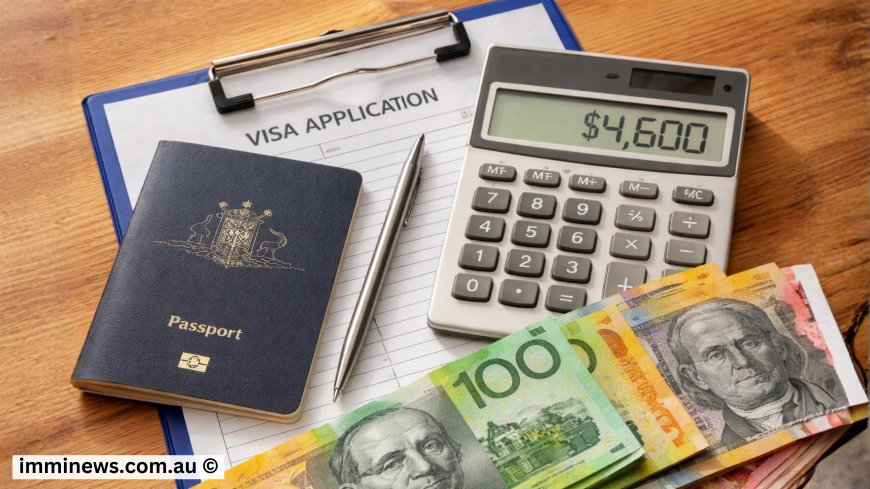
Australia visa fees have recently increased by $2,300, creating major discussion among international students and migration experts worldwide. The Australian government has introduced new policy changes affecting Australia's immigration, including a significant fee hike for the Temporary Graduate Visa (Subclass 485) and additional reforms targeting student visa processes.
These changes, effective from 1 March, double the application fees for certain streams of the graduate visa while introducing other regulatory updates that affect education providers and student visa applicants. While the government argues the changes support migration system efficiency, critics say the sudden increase could discourage international students from choosing Australia as their study destination.
In this article, we explore the significance of Australia’s new visa price increase, the additional reforms affecting international students, and what these updates mean for future Australia migration pathways.


A Major Financial Shift for International Students
The most noticeable change is the doubling of application fees for the Temporary Graduate Visa (Subclass 485). The application cost for two streams has jumped from $2,300 to $4,600, dramatically increasing the financial burden on graduates who wish to remain in Australia after completing their studies.
Family members applying as secondary applicants are also affected. Adult dependents must now pay $2,300, while applicants under 18 must pay $1,160. Regional visa streams remain cheaper but have still seen a 50% increase in costs.
According to the Australian Department of Home Affairs’ official visa pricing information, applicants can review the latest updates on visa charges through the government’s official page on current Australia visa fees and charges. The rise highlights how Australia immigration policies are evolving toward stricter cost structures while still maintaining pathways for skilled graduates.
Stronger Focus on Skilled Migration Pathways
The Temporary Graduate Visa (Subclass 485) has long been a crucial bridge between international education and skilled employment in Australia. This visa allows graduates to stay and work in the country for up to two years or longer, depending on their qualifications and field of study.
Students graduating in high-demand areas such as STEM, healthcare, and engineering may qualify for extended stay periods beyond the standard two years. This allows graduates to gain valuable work experience and improve their chances of permanent residency.
Recent rule changes surrounding the post-study work visa system also impact how graduates transition into long-term migration pathways. For a deeper understanding of these updates, readers can explore this detailed guide on Australia’s post-study work visa 485 rules, stay periods, and PR pathways. Despite the fee hike, the government maintains that the visa still offers generous work rights, including unlimited work hours for holders.
New Restrictions on Visa-Hopping
Another significant change affecting Australia's migration is the government’s move to restrict visa-hopping. Visa-hopping occurs when individuals holding temporary visas—such as visitor visas or graduate visas—apply for a student visa while already in Australia. This practice has been widely used by applicants attempting to extend their stay.
Under the new rules, certain applicants will no longer be able to apply for student visas while remaining onshore. The reform aims to strengthen the integrity of Australia’s migration system and reduce misuse of temporary visas. The government believes these restrictions will ensure that student visa applications are submitted with genuine study intentions, helping maintain the credibility of the international education sector.
Changes to Student Visa Appeals and Reviews
Another reform involves the Administrative Review Tribunal, which now has expanded authority when handling student visa refusal appeals. Previously, many applicants were able to present their cases through in-person hearings. However, the updated system allows the tribunal to resolve certain cases through written submissions instead of oral hearings.
The government says this change will speed up processing times and improve efficiency, since in-person hearings can be time-consuming and resource-intensive. However, some migration experts worry that removing oral hearings may limit an applicant’s opportunity to fully explain their circumstances during appeals. More information about visa charges and immigration procedures can also be found through the official Australia visa fees and charges page. These reforms indicate a broader shift toward digitized and streamlined immigration processes.


Regulation Changes for Education Providers and Agents
The Australian government has also introduced changes to the National Code for Providers of Education and Training to Overseas Students (ESOS). Under the new rules, education providers are banned from paying commissions to education agents for recruiting students who have already started studying with another institution.
This policy aims to reduce unethical recruitment practices and prevent students from being transferred between institutions purely for financial incentives.
By limiting such commissions, the government hopes to:
-
Protect international students from misleading advice
-
Improve transparency in recruitment practices
-
Maintain the reputation of Australia’s education sector
This reform is particularly significant because international education is one of Australia’s largest export industries.
Rising Student Visa Application Fees
The visa fee increases are not limited to graduate visas. Australia has also increased student visa application fees, raising them from $1,600 to $2,000. According to estimates from the government’s Mid-Year Economic and Fiscal Outlook, the increase in international student visa fees could generate approximately $185 million in additional revenue.
Critics argue that these increases place extra financial pressure on international students, many of whom already pay higher tuition fees compared to domestic students. Industry leaders warn that this may reduce Australia’s competitiveness compared to other study destinations such as Canada, the UK, and the United States.
Concerns From the International Education Sector
The sudden announcement of the visa fee increase has sparked criticism from education sector leaders.
Phil Honeywood, CEO of the International Education Association of Australia, stated that the industry was “very upset” by the abrupt decision. Many stakeholders believe the government is using international student fees as a revenue-generating measure, rather than supporting students who contribute significantly to the economy.
Critics also highlighted the timing of the announcement, which came just weeks before the visas of many graduates were set to expire. Students who had planned to apply for the 485 graduate visa suddenly faced double the expected cost, leaving them with limited time to adjust their plans.
Potential Impact on Australia’s Skill Shortages
Another concern raised by migration experts is the potential impact on Australia’s workforce needs. The 485 visa allows international graduates to gain local work experience and contribute to industries facing skill shortages. Fields such as:
-
Healthcare
-
Engineering
-
IT and technology
-
Allied health
-
Scientific research
are heavily dependent on skilled graduates.
If the increased visa costs discourage students from staying in Australia, it could exacerbate existing skill shortages. Many graduates rely on post-study work rights to repay education loans and gain career experience, making the visa an important step in their professional journey.
Special Exemptions for Pacific Countries
One important aspect of the reform is that citizens from Pacific countries and Timor-Leste are exempt from the new visa fee increases. The Australian government states that this exemption reflects Australia’s strong regional partnerships and its commitment to maintaining close ties with Pacific nations. This policy also aligns with broader regional migration programs designed to support economic cooperation and workforce mobility across the Pacific.
Australia’s recent $2,300 visa price increase marks one of the most significant policy shifts in recent years for Australia's immigration and migration pathways. The doubling of fees for the Temporary Graduate Visa (Subclass 485), increased student visa costs, new restrictions on visa-hopping, and reforms to student visa appeals all signal a tightening of the immigration framework.
While the government argues these changes improve system efficiency and maintain the integrity of Australia’s migration programs, critics warn that higher costs may discourage international students and potentially worsen skill shortages in key industries.
For international students and skilled professionals planning to study or work in Australia, understanding these new rules is essential before making immigration decisions. If you want expert guidance on Australia visa applications, migration pathways, or post-study work options, consider consulting professionals who specialize in immigration strategies.
Visit the A2Z Immigration website for expert resources and updates. You can also book a consultation with migration experts to discuss your situation and plan your next step in Australia. Staying informed about evolving immigration policies can make a significant difference in achieving your Australia study or migration goals.
What's Your Reaction?
 Like
0
Like
0
 Dislike
0
Dislike
0
 Love
0
Love
0
 Funny
0
Funny
0
 Angry
0
Angry
0
 Sad
0
Sad
0
 Wow
0
Wow
0