











































































Australia Visa Changes 2026 – Students Out, Skilled Workers In?
Australia’s 2026 migration shift is reshaping visas, students, and skilled pathways. Understand how immigration rules are changing and what it means for PR hopefuls.

Introduction: Why 2026 matters for Australia immigration
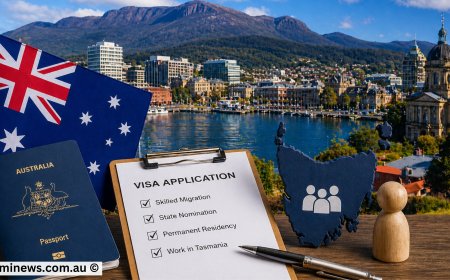
Australia immigration is changing — not quietly, and not on the margins. As 2026 approaches, Australia migration policy is being redesigned to prioritise skilled workers, tighten student visa integrity, and better align population growth with housing and infrastructure. For anyone navigating an Australia visa pathway, the questions are no longer just about how to enter. The real questions are: Who is Australia looking for? How are students treated now? And what does this mean for permanent residency?
Australia keeps its migration cap — but changes the kind of migrants it wants
The permanent migration program remains at 185,000 places. That number staying steady is important because it shows the government is not trying to slash migration completely. Instead, it is changing the profile of people entering the country.
Over seventy per cent of places continue to sit in the skilled migration stream, showing a clear message: Australia wants people who can directly fill workforce shortages, especially in health care, engineering, construction, education, and regional industries.


The emphasis now is not only on selecting skilled people — it’s on whether those skills are actually used after arrival. If someone migrates as an engineer but ends up working outside their field, the economy loses productivity and migrants lose confidence. The 2026 migration shift is designed to reduce that mismatch.
For applicants trying to understand how PR refusals happen and how expectations are changing, it’s worth reading this detailed guide: Avoiding Australia PR rejection — what to know before applying.
International students are still welcome — but the system is no longer “study first, PR later”
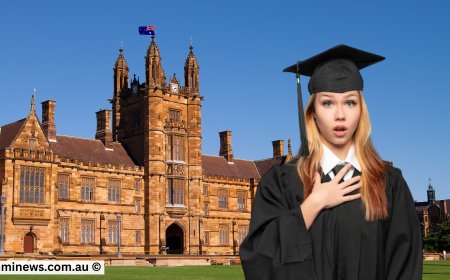
International students still play a huge role in Australia migration. After a tightening phase, student intake targets rise again toward 295,000 in 2026. But there is a crucial difference: intention and quality now matter more than volume.
Students are being assessed more strictly on:
-
course relevance to skills demand
-
genuine intention to study
-
ability to support themselves
-
academic background and English ability
Universities must also show they can provide student accommodation and stronger welfare support, not just enrolments.
High-authority reporting, including by SBS News, has detailed how student caps and policy debates have evolved. For context on how caps have shifted, see: SBS News report on lifted international student caps. The message from the new system is simple: students are welcome, but education must link to real skills, not just visa goals.


Security, trust, and migration reform after recent national incidents
The migration conversation in Australia has increasingly been influenced by public safety and social cohesion debates, particularly following the Bondi attack. The government has signalled stronger powers for visa refusal and cancellation, along with tougher scrutiny of character and conduct.
This marks a cultural shift. Migration policy is no longer discussed only in economic terms — it sits at the intersection of security, trust, and integration. The 2026 reforms reflect that wider political atmosphere.
Digital tools are transforming how visas are lodged and monitored
Another major part of the 2026 migration reset is digital modernisation. The expansion of the Immi App, the acceptance of more English language tests, remote biometric uploads, and online compliance services represent a new era.
For applicants, this means:
-
faster communication
-
fewer in-person visits
-
clearer documentation processes
But it also means stronger compliance and tracking, signalling that unlawful stays and system misuse will face quicker response.
Regional Australia remains the big unanswered question
While policy encourages migrants to move to regional areas, most people still settle in Sydney, Melbourne, Brisbane, and Perth. The government wants to redirect future migration toward regions to relieve city housing pressure and fill labour shortages.
For migrants willing to live and work regionally, the 2026 shift could actually mean faster pathways and more opportunities. For the nation, it remains the central challenge: can policy genuinely reshape where new arrivals live?
What this all means for your Australia migration plans
The pathway from international student to skilled migrant is not closing — it is becoming more selective and more strategic. Success now depends on:
-
studying courses tied to real labour demand
-
demonstrating genuine intent
-
meeting higher English and skills standards
-
planning PR pathways early rather than “hoping later”
Migration is shifting from automatic pipelines to evidence-based pathways.
Conclusion: Your next step in Australia migration
The 2026 migration shift is not about shutting doors. It is about reshaping entry so that migrants, employers, and communities all benefit. Skilled migration remains strong, students are still welcome, but alignment with national needs now matters more than ever.
If you want personalised guidance on courses, PR strategy, skilled migration options, or regional pathways, expert help can save time and avoid refusals. Book a consultation with A2Zimmi. You can also explore more updates, visa news, and services.
What's Your Reaction?
 Like
1
Like
1
 Dislike
0
Dislike
0
 Love
0
Love
0
 Funny
0
Funny
0
 Angry
0
Angry
0
 Sad
0
Sad
0
 Wow
0
Wow
0