


















































































Australia Migration 2026–27 Update: Big Skilled Visa Changes Revealed
Australia Migration 2026–27 update explains skilled visa focus, 185,000 places, onshore priority, points test reforms, and immigration policy changes.

The 2026/27 migration program marks a significant milestone in shaping the future of Australia Immigration and long-term population planning. With a strong focus on skilled migration, workforce needs, and economic stability, the Australian Government has confirmed a structured approach that continues to balance growth with national priorities.
This updated migration framework plays a crucial role for anyone exploring an Australia Visa or planning Australia Migration in the coming years. From skilled visa allocations to policy reforms in the points system and working holiday programs, the changes are designed to improve efficiency and target high-value migrants who contribute to productivity and economic growth.
Significance of the 2026/27 Migration Program


The 2026/27 permanent migration program is not just a numerical update—it represents a strategic direction for Australia’s economic and workforce future. Let’s explore its key significance in detail.
Stable Migration Planning Level of 185,000 Places
One of the most important highlights of the 2026/27 program is the continuation of a stable migration intake of 185,000 permanent places. This consistency reflects the government’s intention to provide long-term predictability for applicants and industries relying on overseas talent.
Out of this total, 132,240 places (over 70%) are allocated to the Skill stream, ensuring that skilled migration remains the backbone of Australia’s immigration strategy. This directly benefits sectors facing labour shortages, such as healthcare, construction, engineering, and technology.
For applicants tracking policy updates, resources like the detailed analysis on NSW State Migration Update 2026 provide valuable insights into how state nominations align with federal planning.
Overall, this stability ensures that Australia remains competitive in attracting global talent while maintaining economic balance.
Strong Priority for Skilled Migration in Australia
A major feature of the 2026/27 program is the continued dominance of the Skill stream allocation. With 132,240 places dedicated to skilled migrants, Australia is clearly prioritizing professionals who can fill critical labour shortages and support national development.
This shift demonstrates how Australia Visa pathways are becoming increasingly skill-focused rather than purely volume-driven. The government aims to attract highly qualified individuals who contribute to innovation, infrastructure, and productivity growth.
According to official information from the Tasmanian migration program, similar skilled priorities are being implemented at state levels as well. You can review further details here:
Tasmania Skilled Migration Program


This alignment between federal and state programs highlights a coordinated national effort to strengthen Australia’s workforce capacity through targeted migration.
Onshore Migrant Prioritisation Strategy
Another key shift in the 2026/27 migration framework is the strong emphasis on onshore applicants, with 129,590 places allocated to migrants already living in Australia.
This policy change has major implications for international students, temporary visa holders, and skilled workers already contributing to the Australian economy. By prioritising onshore candidates, the government is:
- Reducing visa processing delays
- Retaining talent already integrated into the workforce
- Supporting smoother transitions to permanent residency
This strategy also reduces dependency on offshore recruitment while ensuring faster outcomes for eligible applicants.
For applicants seeking guidance on transitioning pathways, platforms like A2Zimmi consultation services provide expert assistance in understanding eligibility and improving success chances in permanent residency applications.
Offshore Skilled Migration Focus on High-Demand Talent
Although onshore applicants are prioritized, the program still allocates 55,110 offshore places, primarily targeting high-skilled migrants who can address Australia’s long-term labour shortages.
This ensures that global talent continues to play a vital role in sectors where domestic supply is insufficient. Priority areas include:
- Engineering and infrastructure
- Healthcare professionals
- Information technology experts
- Skilled trades such as electricians and plumbers
By focusing offshore intake on high-demand occupations, Australia maintains a balance between local workforce development and international expertise acquisition.
This structured approach ensures that Australia Immigration policy remains responsive to evolving economic conditions while supporting sustainable population growth.
Reform of the Points Test System for Skilled Migration
One of the most impactful changes in the 2026/27 program is the reform of the skilled migration points test. Nearly two-thirds of skilled visas are points-tested, making this reform highly significant.
The updated system will prioritize:
- Higher educational qualifications
- Younger age groups
- Stronger professional skills
- Improved productivity contributions
The goal is to better identify migrants who will contribute long-term economic value to Australia. This adjustment ensures that Australia Visa selection processes become more aligned with workforce needs rather than just numerical scoring.
This reform is expected to significantly reshape the profile of successful applicants in upcoming Australia Migration cycles.
Working Holiday Maker (WHM) Program Reforms
The government is also introducing reforms to the Working Holiday Maker (WHM) program to ensure better control and fairness in visa allocation. These changes include:
- Expanding ballot-based selection systems
- Reducing administrative barriers for applicants
- Improving workforce distribution across sectors
- Aligning program outcomes with national interests
These reforms are designed to prevent oversupply in certain labour markets while ensuring fair access to opportunities for international youth.
The WHM updates also support regional workforce needs, particularly in agriculture, hospitality, and tourism industries.
Skills Recognition and Faster Assessment Improvements
A major investment of $85.2 million over four years has been allocated to improve migrant skills recognition systems. This includes:
- A new modern skills assessment system for Trades Recognition Australia (TRA)
- Faster integration of occupational licensing
- Pilot programs for electricians, plumbers, and priority trades
- Improved recognition for onshore visa holders
These reforms aim to reduce delays and ensure skilled migrants can enter the workforce faster.
Additionally, regulatory oversight will be strengthened to ensure transparency and accountability among assessing authorities, improving trust in the migration system.
This modernization reflects Australia’s commitment to building a more efficient and transparent immigration framework.
How State Programs Align with Federal Migration Strategy
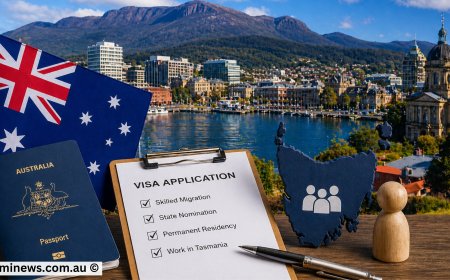
State nomination programs continue to play a key role in Australia’s migration ecosystem. For example, Tasmania’s skilled migration program supports federal priorities by targeting occupations in demand and encouraging regional settlement.
You can explore state-level pathways and eligibility updates here: Tasmania Skilled Migration Overview.These programs complement federal allocations and help distribute skilled migrants more effectively across Australia.
For broader state-based updates, you can also explore: Australia Migration News Updates
Economic Impact of the 2026/27 Migration Program
The migration program plays a critical role in supporting Australia’s economic growth. Skilled migrants contribute to:
- Filling labour shortages in key industries
- Increasing productivity and innovation
- Supporting regional development
- Enhancing tax revenue and economic stability
By maintaining a strong skilled focus, the government ensures that migration continues to support long-term national prosperity.
The downward pressure on net overseas migration also helps balance infrastructure demand, housing availability, and public services.
The 2026/27 Australia Migration Program represents a carefully balanced strategy focused on skilled migration, economic growth, and workforce sustainability. With 185,000 permanent places and a strong emphasis on skilled and onshore applicants, the program is designed to attract high-value migrants who contribute to Australia’s long-term development.
From points test reforms to skills recognition improvements, these changes highlight a more structured and efficient immigration system. Whether you are planning your Australia Visa application or exploring long-term settlement pathways, understanding these updates is essential for success.
For personalized guidance and eligibility support, you can explore expert consultation services here: A2Zimmi Consultation Services
You can also visit the main platform for more immigration updates and resources: A2Zimmi Immigration Portal
Stay informed, stay prepared, and take the next step toward your Australian migration journey with the right strategy and expert support.
What's Your Reaction?
 Like
0
Like
0
 Dislike
0
Dislike
0
 Love
0
Love
0
 Funny
0
Funny
0
 Angry
0
Angry
0
 Sad
0
Sad
0
 Wow
0
Wow
0