
















































































Australia Faces New Skilled Visa Showdown: Clash Over Skilled Migration Program
Western Australia Premier Roger Cook warns that reducing skilled migration will slow housing growth and hurt Australia’s economy. Learn why this issue matters for Australia migration and visa policies.
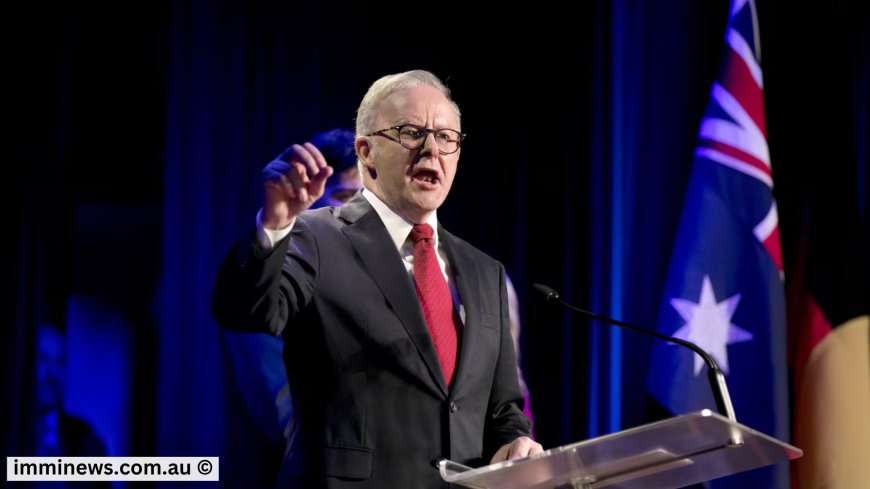
Table of Contents
- Introduction
- The Significance of Roger Cook’s Opposition to Skilled Migration Cuts
- Protecting WA’s Economic Growth
- Addressing the Housing Shortage Crisis
- Supporting the AUKUS and Defense Projects
- Balancing Growth and Infrastructure Needs
- The Broader Political and Policy Context
- Conclusion: Why Maintaining Strong Skilled Migration Matters
-
Introduction
Western Australia’s Premier Roger Cook has taken a firm stand against the federal government’s plan to reduce skilled migration quotas, arguing it could hinder the state’s economic growth and worsen Australia’s housing shortage.
The Australia immigration system plays a vital role in supporting the country’s workforce and infrastructure — particularly in regions like WA, where construction, defense, and mining sectors rely heavily on skilled overseas professionals.
As Canberra considers cutting the number of State Nominated Migration Program (SNMP) places by about 30 per cent, Cook’s opposition underscores the significance of skilled migration not only for WA’s economic stability but also for Australia’s broader visa and migration framework.
-
The Significance of Roger Cook’s Opposition to Skilled Migration Cuts
Premier Roger Cook’s stance sheds light on the deeper economic and social importance of maintaining robust skilled migration pathways. Below, we explore the five key reasons why this debate matters to Western Australia — and to the entire nation.
-
Protecting WA’s Economic Growth
Western Australia’s economy is among the strongest in the nation, driven by its resources sector, large-scale infrastructure projects, and emerging defense contracts such as the planned AUKUS base south of Perth. Premier Cook has warned that reducing skilled migration allocations — from 5,000 to 3,400 places — would “stunt economic growth” by depriving industries of much-needed labour.
The Department of Home Affairs argues the reduction is designed to prevent application backlogs, not to decrease the total number of visas granted. However, the practical effect would still limit new entrants into WA’s workforce, creating pressure points in construction, healthcare, and education sectors.
WA’s economic performance depends on having a continuous flow of skilled professionals. Without them, growth could slow, projects could face delays, and industries might struggle to maintain productivity — particularly amid rising national competition for labour.
Supporting evidence: According to ABS Building Activity Australia, residential building activity remains robust but constrained by workforce shortages. Reducing migration could exacerbate these challenges, delaying thousands of home completions across WA.
-
Addressing the Housing Shortage Crisis
Australia’s housing affordability problem is reaching critical levels. Premier Cook has made it clear that reducing skilled migration could make this situation worse, not better. While some argue that fewer migrants would ease demand for housing, the opposite may be true: the housing industry needs skilled builders, plumbers, electricians, and engineers to expand housing supply.
Cook rightly calls this a “chicken and egg” scenario. The more people we bring in to build homes, the more housing we need — but without these workers, the housing targets set by the federal government cannot be met.
The construction boom following COVID-19, fueled by federal and WA subsidies, already stretched the local workforce to its limits. Many builders faced rising material costs and delayed completion times, worsening the crisis.
Reducing migration quotas risks deepening that shortfall. More skilled workers from abroad could help accelerate housing construction, stabilize costs, and prevent bottlenecks in critical infrastructure delivery.
For readers exploring pathways into Australia’s construction and trades sectors, check whether your occupation is listed on the ACT Occupation List 2025. Skilled trade roles remain among the most in-demand categories under the Australia migration program.
-
Supporting the AUKUS and Defense Projects
One of Premier Cook’s central arguments revolves around Western Australia’s role in national defense. The state is preparing to host the largest ship-building and maintenance hub in the Southern Hemisphere as part of the AUKUS agreement. This monumental project will require thousands of engineers, technicians, and specialized tradespeople over the next decade.
Reducing skilled migration allocations could jeopardize the AUKUS timeline. These defense projects demand highly specialized labour — much of which cannot be immediately sourced domestically due to training gaps or limited experience.
WA’s universities and TAFE systems are expanding defense-related training programs, but international recruitment remains vital to bridge immediate skill shortages.Cook’s insistence that WA’s needs are “unique” reflects this challenge: no other state faces the same combination of construction, defense, and infrastructure demands simultaneously. A one-size-fits-all national policy on migration could undermine projects of national importance.
-
Balancing Growth and Infrastructure Needs
Premier Cook acknowledged the complex interplay between population growth and infrastructure demand: “We need more schools, we need more hospitals, and we need more workers.”
His statement encapsulates the challenges of growth — managing expansion without overwhelming existing services.
The debate over skilled migration is not merely about numbers. It’s about planning intelligently for sustainable development. Each new skilled migrant brings both immediate labour benefits and long-term economic contributions through taxes, spending, and entrepreneurship.
By contrast, cutting migration may temporarily relieve population pressure but could slow down the expansion of essential infrastructure. Cook argues that “the challenges of growth” are far preferable to “the challenges of shrinking inflation”, emphasizing that economic momentum depends on maintaining a capable workforce.
This approach aligns with broader Australia immigration objectives — ensuring that migration policy supports, rather than restricts, national prosperity.
-
The Broader Political and Policy Context
The federal government’s plan to curb skilled migration has stirred political debate nationwide. The Commonwealth aims to reduce total skilled worker intake from 26,260 places in 2024–25 to 20,350 in 2025–26. However, opposition voices, including Cook’s, fear this reduction could stall the post-pandemic recovery and weaken regional economies like WA’s.
Even within the federal opposition, opinions vary. WA Senator Andrew Hastie recently quit the Liberal Party’s shadow cabinet, disagreeing with his party’s stance on migration levels — highlighting how divisive the issue has become (ABC News report).
This policy tug-of-war reveals a deeper question: Should Australia prioritize short-term political optics over long-term workforce sustainability?
Cook’s advocacy suggests that strategic migration — focused on skills shortages — remains essential for national growth, innovation, and defense readiness.
-
Conclusion: Why Maintaining Strong Skilled Migration Matters
Premier Roger Cook’s opposition to the federal plan is not simply political rhetoric; it’s a call for economic realism. Reducing skilled migration allocations risks slowing construction, delaying housing targets, and weakening industrial capacity across Western Australia.
His argument underscores a broader truth about Australia’s migration and visa system: the nation’s prosperity has always depended on welcoming skilled professionals who help build, teach, heal, and innovate. From infrastructure and housing to defense and healthcare, every sector relies on a steady flow of talent.
Australia needs balanced migration policies that recognize regional differences and economic realities. WA’s situation proves that one national quota cannot fit all states equally — particularly when one region bears the weight of national infrastructure priorities.
If you are considering your own migration pathway to Australia, now is the perfect time to stay informed about policy changes and eligibility criteria. Visit A2Zimmi’s homepage for the latest Australia visa and migration updates, or schedule a consultation with A2Zimmi’s experts to receive personalized guidance on your next steps.
What's Your Reaction?
 Like
0
Like
0
 Dislike
0
Dislike
0
 Love
0
Love
0
 Funny
0
Funny
0
 Angry
0
Angry
0
 Sad
0
Sad
0
 Wow
0
Wow
0