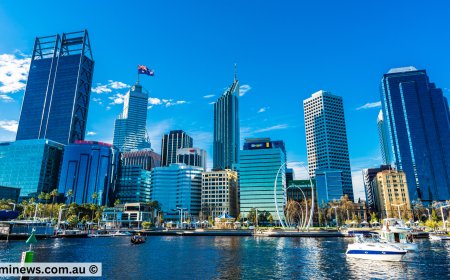
Western Australia is experiencing one of the most remarkable demographic shifts in its history. In 2025 alone, WA’s population grew by more than 65,600 people, making it the fastest-growing state in the country. This surge, driven largely by Australia's immigration and overseas migration, highlights the growing importance of Australia visas and structured Australia migration pathways in shaping the nation’s future. Beyond the numbers, these new arrivals are transforming WA’s workforce, economy, and communities—bringing skills, diversity, and long-term growth at a time when many other states are facing population slowdowns.
According to recent Australian Bureau of Statistics data, most of WA’s new residents came from overseas, reinforcing the state’s position as a leading destination for global talent. Understanding why this growth matters—and how it benefits Western Australia—offers valuable insight for migrants, employers, and policymakers alike.
The Significance of Western Australia’s Population Growth in 2025
Western Australia’s population increase of over 65,000 people in a single year is more than a headline—it represents a structural shift in how the state grows and competes nationally and globally. Below are the key ways this migration-driven growth is shaping WA’s future.
Strengthening WA’s Workforce and Skills Base
One of the most significant impacts of WA’s population growth is the strengthening of its workforce. With 40,406 of the new residents arriving from overseas, skilled migrants are filling critical labour shortages across mining, healthcare, construction, engineering, hospitality, and IT sectors. These industries are central to WA’s economy and rely heavily on skilled migration to remain competitive.
Australia's migration programs are specifically designed to address these gaps, ensuring businesses can access the expertise they need to operate efficiently. Western Australia’s skilled visa pathways, outlined by the state government, prioritise occupations in high demand, helping align migration intake with economic needs. This targeted approach not only supports employers but also provides migrants with clearer, faster routes to permanent residency through structured Australia visa options backed by state nomination frameworks. Authoritative guidance on these pathways can be found via the Western Australian Government’s official skilled migration pathways resource, which outlines eligibility, occupation lists, and nomination processes in detail.
Driving Economic Growth and Stability
Population growth and economic performance are closely linked, and WA’s recent surge demonstrates this connection clearly. New migrants contribute immediately to the economy by paying taxes, renting or buying homes, and spending on goods and services. Over time, they also boost productivity, innovation, and business formation.
The fact that WA grew while most other states—except Queensland—experienced declines in interstate migration highlights the state’s economic resilience. While more than 2,000 Australian citizens moved abroad last year, they were replaced by migrants from countries such as the United Kingdom, India, New Zealand, and the Philippines. This replacement effect ensures that WA continues to expand its economic base rather than stagnate. For migrants exploring long-term settlement, understanding how to strengthen their profiles—such as improving eligibility under the points-based system—can be crucial. Resources like this guide on how to increase your Australia PR points in 2026 provide practical insights for those planning their migration journey strategically.
Supporting Regional Development and Infrastructure
Another critical significance of WA’s population growth is its impact on regional development. Unlike some states where population increases are concentrated almost entirely in capital cities, Western Australia actively uses migration to support regional areas. Skilled migrants are often encouraged to live and work in regional WA, helping to address workforce shortages outside Perth and stimulating local economies.
This approach supports infrastructure investment, including housing, transport, healthcare, and education facilities, which benefits both new arrivals and long-term residents. Regional migration also helps balance population distribution, reducing pressure on metropolitan areas while ensuring smaller communities remain viable and economically active. Structured Australia migration strategies—particularly regional visas—play a vital role in this balanced growth model.
Enhancing Cultural Diversity and Social Fabric
Western Australia’s growing population is also reshaping its social and cultural identity. Migrants from diverse backgrounds bring new languages, traditions, cuisines, and perspectives, enriching community life across the state. The arrival of people from the UK, India, New Zealand, the Philippines, and many other countries has made WA one of the most multicultural regions in Australia.
This diversity has long-term social benefits. Multicultural communities foster global connections, encourage cultural exchange, and prepare WA’s workforce for international engagement. From schools and universities to workplaces and neighbourhoods, diversity strengthens social cohesion when supported by inclusive policies and community initiatives. Australia immigration frameworks emphasise not only economic contribution but also successful settlement, ensuring migrants can integrate and thrive within Australian society.
Reinforcing WA’s National and Global Competitiveness
Finally, WA’s population growth reinforces its competitiveness at both national and global levels. In an era where many developed regions face ageing populations and shrinking workforces, WA’s ability to attract and retain migrants positions it advantageously for the future. A growing population supports innovation, entrepreneurship, and long-term fiscal sustainability.
Australia visa programs—particularly skilled and employer-sponsored visas—are central to this strategy. By attracting global talent, WA can continue to lead in resource development, renewable energy, healthcare innovation, and infrastructure expansion. For migrants, understanding who can legally assist with visa applications is equally important to ensure compliance and success. The Australian Department of Home Affairs provides clear guidance on who can help with your visa application, reinforcing transparency and trust within the migration system.
Western Australia’s population growth of more than 65,000 people in 2025 is a powerful indicator of the state’s economic strength, global appeal, and strategic use of Australia's immigration and migration programs. From strengthening the workforce and driving economic growth to supporting regional development and enriching cultural diversity, new arrivals are playing a vital role in shaping WA’s present and future.
For migrants considering WA as their destination, understanding visa pathways, points requirements, and professional guidance can make all the difference. Explore more insights on Australia migration trends and eligibility through trusted resources, or take the next step by seeking expert advice.
Visit A2Zimmi or schedule a consultation today to get personalised guidance on your Australia visa and migration journey. Have thoughts on WA’s population boom or questions about migrating to Australia? Share your views, explore related blogs, or connect with migration experts to start your journey with confidence.
Gurmeet Sharma
Gurmeet Sharma is the Chief operating officer of Brain Drain Consultants Pvt. Ltd | He is leading the Immigration news portals for imminews.com.au and imminews.ca.
























































































 Like
0
Like
0
 Dislike
0
Dislike
0
 Love
0
Love
0
 Funny
0
Funny
0
 Angry
0
Angry
0
 Sad
0
Sad
0
 Wow
0
Wow
0