
















































































Australia Immigration Shock: Ley’s Proposed Migrant Ban Sparks Outrage
Australian Refugee Council condemns Sussan Ley’s proposed migrant ban, raising concerns over Australia immigration and visa fairness.
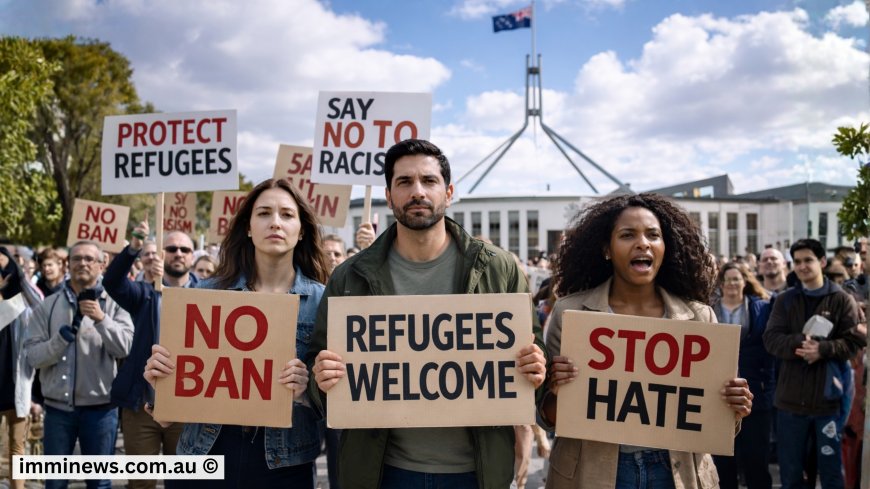
Australia's immigration policy is once again at the centre of national debate after the Australian Refugee Council condemned Sussan Ley’s proposed migrant ban. The controversy has sparked concerns about fairness, discrimination, and the future direction of Australia's visa and migration policies.
A leaked Liberal Party document reportedly drafted under former opposition leader Sussan Ley proposed banning migrants from countries controlled by declared terrorist groups. The proposal has drawn fierce criticism from refugee advocates, legal experts, and political commentators who argue that such a measure would unfairly target innocent people fleeing conflict and persecution.
As Australia navigates complex global security challenges and humanitarian obligations, the debate highlights a deeper question: What kind of immigration system does Australia want to uphold?


Significance of the Proposed Migrant Ban Debate
The condemnation of Sussan Ley’s proposed migrant ban by the Refugee Council of Australia carries significant political, legal, and humanitarian implications. Below are the most important aspects shaping the national conversation.
1. Raises Concerns About Discriminatory Immigration Policies
The leaked proposal reportedly suggested banning migrants from regions including the Philippines, Egypt, Palestine, Afghanistan, and Somalia. According to reporting by SBS News, the draft plan targeted countries controlled by declared terrorist groups, prompting comparisons to policies associated with Donald Trump. You can read the detailed report via SBS here.
The Refugee Council described the proposal as “straight out of Donald Trump’s playbook,” arguing that a blanket ban would punish innocent civilians who are often victims of terrorism themselves. Critics contend that such measures risk undermining Australia’s commitment to non-discriminatory immigration principles.
Australia’s migration system traditionally evaluates applicants individually, assessing character, security checks, and eligibility criteria. A broad ban based on nationality or regional instability would represent a significant departure from this framework.
2. Impacts Australia’s Humanitarian and Refugee Commitments
Australia has long positioned itself as a country that balances border security with humanitarian responsibility. Any policy that introduces sweeping nationality-based restrictions could affect Australia’s global reputation and its compliance with international refugee conventions.
The Refugee Council emphasized that many individuals fleeing terrorist-controlled regions are escaping violence, persecution, and instability. Applying an indiscriminate ban could deny protection to those most in need.
This debate is particularly relevant given recent scrutiny of protection visa processes. For example, Australia’s Department of Home Affairs has previously cracked down on false protection visa claims. Readers can explore this issue further in our related coverage on Australia visa warnings and protection visa enforcement.
The distinction between fraudulent claims and legitimate humanitarian cases is critical. Critics argue that security measures must not overshadow Australia’s legal obligations to protect genuine refugees.
3. Signals a Potential Shift in Australia's Migration Policy
The proposal emerged under Sussan Ley’s leadership but has since been distanced by the new Opposition Leader, Angus Taylor. Mr. Taylor publicly dismissed the document, stating he was unaware of its origin or contents.
However, the mere existence of such a proposal has triggered debate about the Liberal Party’s broader direction on Australia's migration policy. Immigration remains a core political issue, especially amid competition for conservative voters.


Observers suggest the plan indicated a pivot toward a more hard-line approach to immigration, potentially echoing global populist trends. While Mr. Taylor has rejected anti-Muslim rhetoric and emphasized that immigration debates should not target any specific race or religion, the controversy has amplified concerns about policy direction. For migrants and visa applicants, policy uncertainty can create anxiety. Changes in political leadership often result in shifts in visa categories, eligibility criteria, or processing priorities.
4. Reinforces the Importance of Fair and Individual Visa Assessments
Australia’s visa system is built on detailed individual assessments that consider character, security checks, skills, humanitarian need, and compliance history. A nationality-based ban would mark a significant departure from this individualized evaluation model.
The Refugee Council’s statement stressed that punishing individuals solely because they reside in a region affected by terrorism denies “the most basic level of fairness.” It also highlighted the potential impact on family reunification, including relatives of Australian citizens and permanent residents.
In Australia Immigration law, fairness and procedural justice are fundamental principles. Policies perceived as discriminatory may face legal challenges and public backlash. This debate underscores why professional guidance is essential when navigating Australia Visa pathways. Immigration law is complex, and political developments can significantly affect application outcomes. For up-to-date information and expert support on Australia Migration options, individuals can visit the A2Zimmi. Staying informed ensures applicants understand both risks and opportunities in a changing policy landscape.
5. Influences Public Perception of Australia's Immigration
Immigration debates often shape public opinion, media narratives, and electoral strategies. The proposed migrant ban has already drawn strong reactions from refugee advocates, political commentators, and community groups.
Comparisons to U.S. policies under Donald Trump highlight the global context of migration debates. During Trump’s presidency, immigration enforcement and travel bans triggered widespread protests and legal battles.
In Australia, the public discourse surrounding this proposal may influence how voters perceive the balance between national security and humanitarian obligations. Policymakers must carefully navigate these concerns to maintain social cohesion and uphold Australia’s democratic values. The debate also demonstrates how leaked policy documents can shape political narratives, even if later dismissed by party leadership.
Broader Implications for Australia Visa Applicants
For individuals planning to apply for an Australian visa, this controversy highlights the importance of understanding the political climate. Immigration policies are not static; they evolve in response to leadership changes, global events, and public sentiment.
Applicants from countries mentioned in the leaked document may feel particularly uncertain. However, it is important to note that no official blanket ban has been implemented.
Australia’s migration framework remains governed by established legislation and assessment procedures. Visa decisions continue to be based on eligibility criteria, security clearances, and compliance with immigration law. Prospective migrants should monitor official updates from the Department of Home Affairs and seek professional advice to ensure their applications are accurate and complete.
The condemnation of Sussan Ley’s proposed migrant ban by the Refugee Council of Australia highlights the ongoing tension between security concerns and humanitarian responsibilities in Australia's immigration policy.
While the proposal has been dismissed by Opposition Leader Angus Taylor, its emergence has sparked a nationwide debate about fairness, discrimination, and the future direction of Australia's migration. For visa applicants, the key takeaway is clear: policy environments can shift quickly. Staying informed and seeking expert advice is essential to navigating Australia's visa pathways successfully.
If you are planning to apply for an Australian visa or need clarity on your immigration options, professional guidance can make a significant difference. Schedule a consultation today through A2Zimmi’s expert team.
What's Your Reaction?
 Like
0
Like
0
 Dislike
0
Dislike
0
 Love
0
Love
0
 Funny
0
Funny
0
 Angry
0
Angry
0
 Sad
0
Sad
0
 Wow
0
Wow
0